
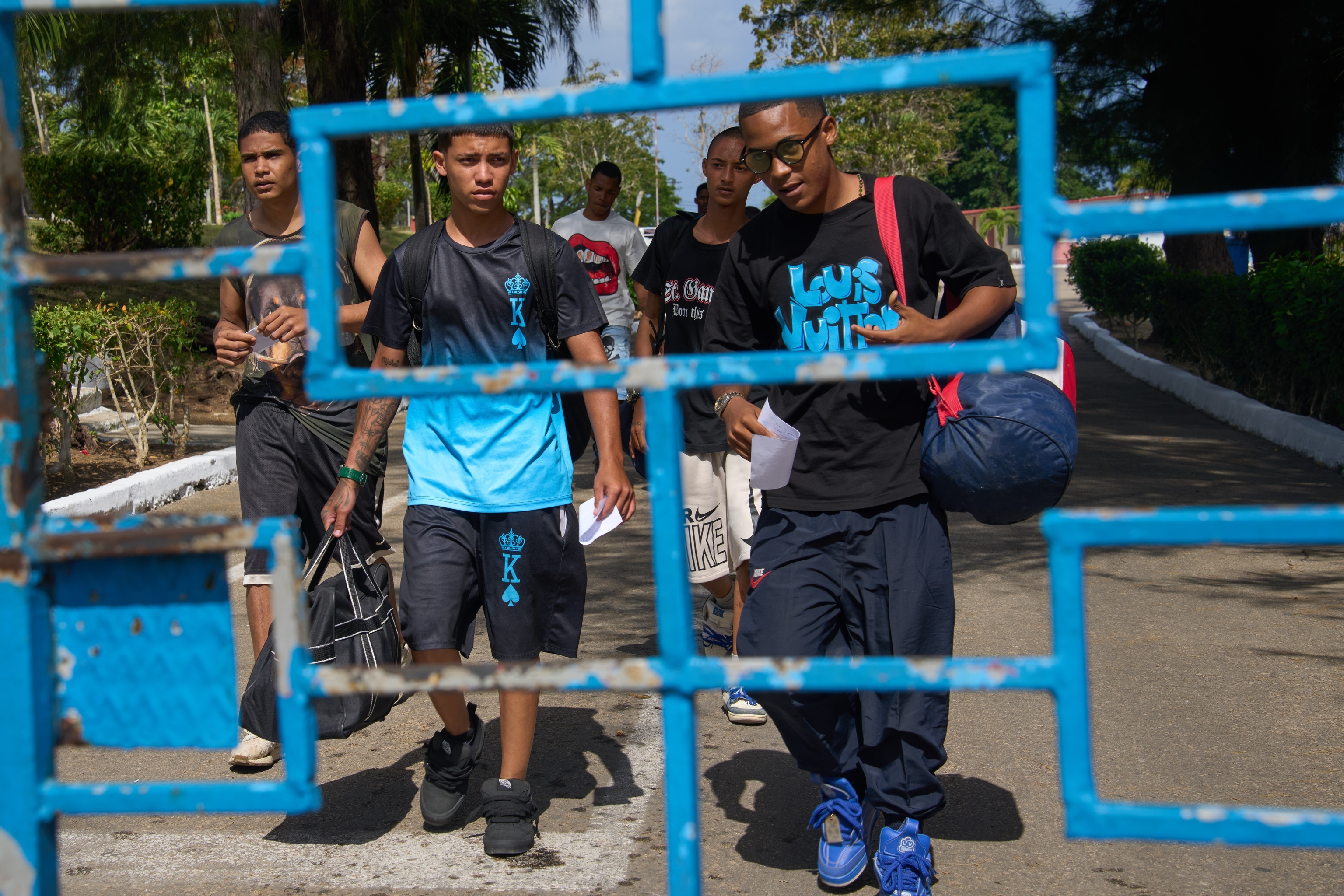
The Cuban government's recent announcement of a 'humanitarian and sovereign' pardon for 2,010 'sanctioned' individuals has sparked skepticism among human rights organizations. The move, touted as a gesture of goodwill, appears to benefit only those convicted of common crimes, leaving over 1,200 political prisoners unaffected. Critics argue that this is a calculated propaganda stunt aimed at distracting the international community and maintaining the regime's grip on power.
Selective Clemency
Organizations such as the Cuban Observatory of Human Rights (OCDH), Prisoners Defenders (PD), and Cubalex have scrutinized the list of pardoned individuals, finding not a single political prisoner among them. This selective clemency has raised concerns about the regime's intentions and its willingness to address the plight of those detained for their opposition to the government.
A Pattern of Deception
The case of Jonathan Muir Burgos, a 16-year-old from Morón, exemplifies the regime's heavy-handed response to dissent. Muir was allegedly involved in a protest against the government's handling of power outages, which led to his arrest and transfer to a prison for minors. Human rights activists have denounced the irregularities in his case, highlighting the regime's continued crackdown on dissenting voices.